Custom House Designs for the Modern Homeowner
Why Custom House Designs Are Worth Understanding Before You Build
Custom house designs give you full control over how your home looks, feels, and functions — from the floor plan to the finishes. But they're not the right fit for every situation or budget.
Here's a quick breakdown to help you decide if a custom design is right for you:
- What it is: A home plan designed from scratch (or heavily modified) around your lot, lifestyle, and preferences
- Who it's best for: Homeowners with unique lots, specific lifestyle needs, or a clear vision that stock plans can't match
- How much it costs: Typically $0.85 to $1.75 per square foot in design fees, with a minimum around $1,200
- How long it takes: Custom plans can take 21 days to several months depending on complexity
- Where it matters most: In areas like High Springs, Alachua, Gainesville, Newberry, and the Town of Tioga, FL — where lot conditions, local codes, and Florida's climate all shape what works
Building a new home is one of the biggest decisions you'll ever make. And if you're in North Central Florida, that decision comes with real local variables — humid summers, sandy soils, mature live oaks, and county-specific building codes that a generic plan won't account for.
The good news? Whether you're starting with a blank canvas or tweaking an existing floor plan, there's a path that fits your timeline, budget, and vision.
This guide walks you through everything — from comparing custom vs. stock plans, to what's inside a professional plan package, to how builders like Stanley Crawford Construction, Inc. help North Florida homeowners turn ideas into permit-ready construction documents.
Custom House Designs vs. Stock Plans: Cost, Timeline, and Flexibility
When you begin your home building journey, one of the first forks in the road is deciding between purchasing a pre-designed "stock" plan or investing in fully custom house designs.A stock plan is a pre-drawn blueprint that has often been built before. These plans are readily available in massive databases—some containing nearly 40,000 floor plans. On the other end of the spectrum, a fully custom plan starts as a blank piece of paper, designed from the ground up to match your exact lifestyle and site conditions.
To help you visualize the trade-offs, we have put together a comparison of how these two paths stack up:
FeatureStock PlansFully Custom DesignsInitial Plan CostLow ($800 - $2,500)Moderate to High ($1.00 - $1.75+ per sq. ft.)
Design TimelineInstant download (unless modified)21 days to several months
Design FlexibilityLimited (structural changes cost extra)Unlimited
Lot AdaptabilityPoor (assumes flat, standard lot)Excellent (designed specifically for your land)
Budget PredictabilityHigh early on (known plan details)Moderate (requires careful builder coordination)
Permit ReadinessRequires local engineering updatesDesigned to meet local building codes immediately
Choosing between these paths depends on your personal priorities. If you want to understand how a floor plan dictates the flow of your daily life, take a look at our A Comprehensive Guide to Custom Floor Plans.
The Financial and Timeline Realities of Custom House Designs
Let's address the elephant in the room: how do custom designs impact your wallet and your calendar?While a stock plan has a lower upfront cost, it often comes with hidden expenses down the road. If your lot in Gainesville or Alachua has a slight slope or sits in a high-wind zone, a stock plan will still need to be sent to a local designer or engineer for modifications.
With fully custom house designs, the initial investment is higher, but you gain absolute budget predictability during the actual build phase. Because every corner, window, and plumbing run is designed with your budget in mind from day one, you avoid the costly "change orders" that plague homeowners during construction. For tips on keeping your sanity intact during this process, read our guide on Custom Built Home Designs That Won't Drive You Crazy.
In terms of timeline, custom designs require patience. While a stock plan can be downloaded in minutes, a custom plan involves iterative feedback loops. However, because specialized local builders handle the engineering and local building code requirements during the design phase, the actual permitting and construction phases often run much smoother.
Modifying Existing Plans vs. Starting from Scratch
You do not always have to start with a blank canvas to get a home that feels uniquely yours. A highly popular middle ground is semi-custom design: purchasing a high-quality existing plan and modifying it.This path is perfect if you find a layout that is almost perfect but needs a few tweaks—such as expanding the kitchen, adding an in-law suite, or converting a traditional garage into a side-load garage to preserve a beautiful live oak tree on your lot.
When deciding whether to modify or start from scratch, consider these three factors:
- Lifestyle Needs: Do you work from home, host large family gatherings, or need dedicated hobby spaces? If your daily routine requires highly specific room relationships, starting from scratch is often easier.
- Future Adaptability: Will this home support you as your family grows or as you age in place? Custom designs allow you to plan for future spatial transitions, such as converting a playroom into a main-floor guest suite later on.
- The "Bones" of the Plan: If you find yourself wanting to move major load-bearing walls, change the roofline, or completely rearrange the plumbing zones of a stock plan, it is usually more cost-effective to start from scratch.
For a deeper dive into how to evaluate existing blueprints and make smart modification decisions, check out our resource on Navigating the World of Custom Home Blueprints: Recommendations and Resources.
Designing for Local Climates and Unique Lot Conditions
A beautiful home design on paper can quickly turn into a construction nightmare if it does not respect the land it sits on. This is especially true in North Central Florida, where the natural landscape is as beautiful as it is demanding.Designing a custom home allows us to position your house perfectly on your property, taking advantage of natural light, managing wind patterns, and preserving the local flora. If you are shopping for land or preparing to build in the Alachua County area, read our local insight: Unlocking Gainesville's New Home Market: A Buyer's Guide.
Navigating Florida's Humid Climate and Building Codes
Building in Florida is unlike building anywhere else in the country. Our high humidity, intense summer heat, and seasonal tropical storms require specific design solutions that stock plans from northern states simply do not address.When we create custom house designs for our clients in Lake City and Alachua, we design with the local climate in mind:
- Wind Load Requirements: Florida has some of the strictest structural codes in the nation. Your home's framing, roof trusses, and window ratings must be engineered to withstand high wind speeds.
- Moisture and Humidity Control: Proper ventilation, moisture barriers, and high-efficiency HVAC systems with dedicated dehumidification are essential to prevent mold and keep your indoor air clean and comfortable.
- Energy Calculations (EnergyCalcs): Florida law requires detailed energy calculations to ensure your home meets strict efficiency standards. Custom designs optimize window placement, insulation levels, and overhang depths to keep your cooling bills low.
For localized architectural support and plans designed specifically for our region's strict standards, working with regional specialists who understand Florida's unique building codes is key to a successful project.
Tailoring Custom House Designs to North Florida Landscapes
North Florida's geography is characterized by rolling hills, sandy soils, and majestic, centuries-old live oak trees. A standard, cookie-cutter home design often requires clearing the entire lot, which destroys the very natural beauty that drew you to the property in the first place.Custom building in areas like High Springs and Newberry allows us to design around the landscape:
- Preserving Mature Trees: Instead of cutting down a gorgeous oak tree, we can angle the home or shape the footprint to frame the tree as a central focal point from your living room windows.
- Acreage and Rural Builds: If you are building on acreage, we can orient your home to maximize beautiful pasture views, capture natural cross-breezes, and place outdoor living spaces where they receive optimal shade during hot summer afternoons.
- Indoor-Outdoor Flow: Southern living is all about enjoying the outdoors. Custom designs allow us to integrate screened back porches, summer kitchens, and transitional mudrooms seamlessly, keeping the dirt outside and the cool air inside.
To explore how custom plans are tailored to these specific local landscapes, working with an experienced local builder ensures your home is positioned perfectly to maximize your property's natural features.
What is Included in a Professional House Plan Package?
When you purchase a professional house plan package, you are not just buying a drawing of what the house looks like. You are buying a highly technical, legally binding set of instructions that tells your builder exactly how to construct your home and tells the local building department that your home will be safe and compliant.To understand how these technical documents translate into beautiful, livable spaces, check out our guide: Beyond the Blueprint: Crafting Unique Modern Home Designs.
Core Deliverables: From Floor Plans to Energy Calculations
A complete, permit-ready custom house plan package typically includes the following core components:Cover Sheet & Site Plan: An overview of the project, including local zoning information, building footprints, and how the home sits on your specific lot boundaries.
Foundation Plan: Detailed drawings of the concrete slab or crawlspace, including footings, load-bearing support points, and plumbing rough-in locations.
Floor Plans: Detailed overhead views of each level, showing wall thicknesses, room dimensions, door and window locations, and built-in features.
Exterior Elevations: Two-dimensional drawings showing what the front, back, and sides of the home will look like, including exterior finish materials, roof pitches, and height measurements.
Framing & Roof Plans: Structural layouts showing the size, spacing, and direction of floor joists, ceiling joists, wall studs, and roof trusses.
Electrical & Plumbing Layouts: Schematics showing the placement of outlets, switches, light fixtures, main plumbing lines, and fixtures.
Cross Sections & Detail Drawings: "Cut-through" views of walls and roofs showing how different materials fit together, ensuring proper insulation and waterproofing.
Advanced Visualization: 3D Walkthroughs and Virtual Reality
While flat, two-dimensional blueprints are necessary for builders and building inspectors, they can be incredibly difficult for homeowners to visualize.How high will that ceiling actually feel? Is the hallway too narrow? Will the kitchen island block the path to the pantry?
To solve this problem, modern custom home design utilizes advanced visualization technology:
- Photorealistic 3D Renderings: High-resolution digital images that show exactly how light, colors, and textures will look in your finished spaces.
- Virtual Reality (VR) Walkthroughs: By putting on VR goggles, you can literally walk through your unbuilt home in a 1-to-1 scale, allowing you to experience the spatial flow, test furniture layouts, and make confident design decisions before a single nail is driven.
- Iterative Material Swaps: Want to see how a Shaker-style cabinet looks compared to a modern flat-panel cabinet? With digital 3D models, we can swap materials and colors instantly, taking the guesswork out of your interior design selections.
The Custom Home Design Process: From Consultation to Construction
At Stanley Crawford Construction, Inc., we believe that a successful build starts with a collaborative, transparent design process. By bringing the design and construction teams together under one roof, we eliminate the communication gaps that often occur when homeowners hire an independent architect and a separate builder.To learn more about how we guide you through this journey, read A Practical Guide to Custom Home Design Process.
Step-by-Step Roadmap for Future Homeowners
Our design-build process is structured to be simple, stress-free, and exciting:- Step 1: The Kickoff Meeting & Consultation: We sit down to discuss your vision, budget, and lifestyle. We review your lot details, look at your inspiration boards (Pinterest, napkin sketches, etc.), and outline the scope of your project.
- Step 2: Schematic Design: Our team creates initial floor plans and conceptual exterior elevations. This is where we establish the basic flow, room relationships, and architectural style of your home.
- Step 3: Design Refinement & 3D Review: We refine the plans based on your feedback and bring them to life using 3D modeling tools so you can experience the spaces virtually.
- Step 4: Construction Documents & Engineering: Once you approve the design, we draft the highly detailed construction documents and work with local structural engineers to ensure the plans are permit-ready for your specific county.
- Step 5: Interior Selections: We help you choose your finishes—flooring, cabinetry, countertops, plumbing fixtures, and lighting—ensuring everything fits your aesthetic and stays within your budget.
- Step 6: Permitting & Construction: We submit the finalized plans to the local building department, secure the necessary permits, and begin turning your custom design into your physical home.
To understand why working with a unified team is so beneficial, read our advice on Designing Your Dream: The Ultimate Guide to Custom Home Architects.
Customization Services, Pricing Models, and Revisions
When choosing a design partner, it is important to understand how pricing and revisions work. Some independent designers charge high hourly rates, which can make homeowners hesitant to ask for changes.In contrast, many specialized custom design services utilize square footage-based pricing models:
- Barndominiums & Pole Buildings: Typically range around $0.85 per square foot (with minimum fees starting at $1,200).
- Traditional Custom Homes: Typically range from $1.00 to $1.50 per square foot.
- Full Permit & Engineering Packages: Typically run around $1.75 per square foot.
This square-footage pricing model gives you clear, upfront costs. Additionally, working with a dedicated design-build team means we help manage revision limits and turnaround times efficiently, keeping your project moving forward without unexpected design bills.
To learn more about finding the right building partner for specialized custom styles, explore Your Dream, Your Builder: Discovering Specialized Home Construction Experts.
Frequently Asked Questions about Custom House Designs
How much do custom house plan design services typically cost?
Custom home design services typically charge between $0.85 and $1.75 per square foot, with minimum fees starting at $1,200. This fee varies depending on the complexity of the design, the level of structural engineering required for your specific lot, and whether you require advanced 3D visualization services.When you work with a design-build firm like Stanley Crawford Construction, Inc., these design services are seamlessly integrated into your overall construction contract, providing exceptional value and preventing costly design-to-build translation errors.
Can I customize a modern farmhouse or estate plan?
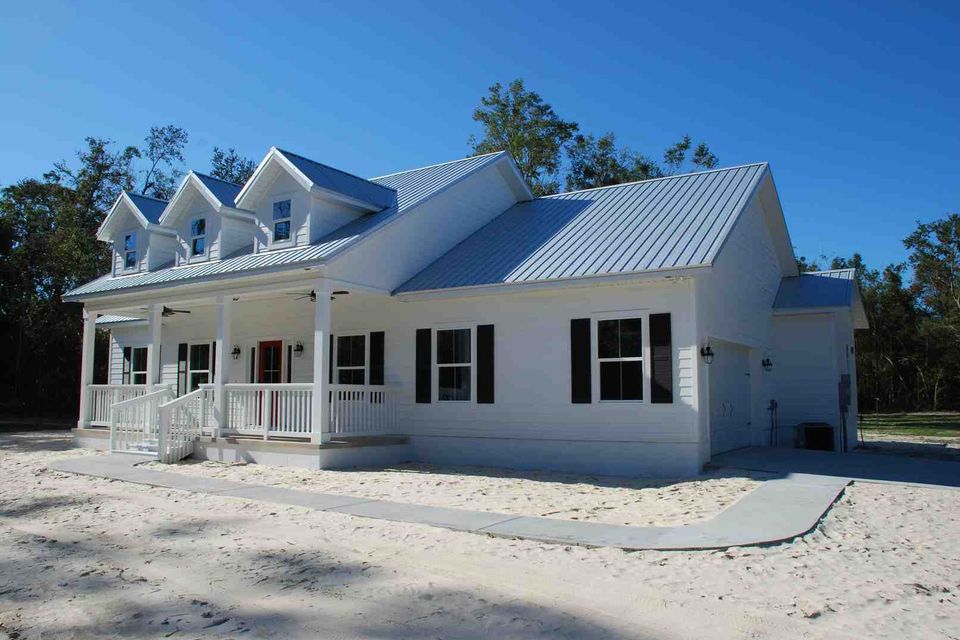
Absolutely! Modern farmhouses, rustic estates, and barndominiums are highly popular in North Central Florida communities like Newberry and High Springs. Custom design allows you to take these timeless exterior styles and pair them with highly customized, modern interior layouts.Whether you are looking for a cozy 1,500-square-foot farmhouse or a sprawling estate over 5,000 square feet, we can customize the floor plan to include open-concept living areas, luxurious guest suites, wrap-around porches, and flexible multi-generational spaces.
How do I ensure my custom plan is energy efficient?
We design every custom home with modern energy-efficiency standards at the forefront. This includes utilizing advanced energy cost calculators during the design phase, optimizing your home's orientation to manage solar heat gain, specifying high-performance insulation and energy-efficient windows, and planning for future solar integration if desired.Because we build in Florida, we pay special attention to HVAC sizing, duct placement, and high-efficiency ventilation to ensure your home remains cool, dry, and affordable to operate year-round.