From Drafty to Dreamy: 50 Simple Steps to an Energy-Efficient Abode
Why Energy Efficiency Matters for Your Florida Home
If you're looking for 50 ways to make your home more energy efficient, you're in the right place. This comprehensive guide covers everything from sealing air leaks and upgrading insulation to installing smart thermostats and exploring solar panels.
Here's a quick overview of the key strategies:
Building Envelope (Tips 1-12): Energy audits, air sealing, insulation upgrades, efficient windows/doors, duct sealing
Appliances & Lighting (Tips 24-40): LED bulbs, ENERGY STAR appliances, smart power strips, cold-water laundry, efficient cooking
Water & Outdoors (Tips 41-50): Heat pump water heaters, low-flow fixtures, shade trees, xeriscaping, solar panels Here's something that might surprise you: the average homeowner loses $200 to $400 a year to energy waste.
In Florida's hot and humid climate—especially in High Springs, Gainesville, Alachua, Newberry, and Town of Tioga—that number can climb even higher as air conditioners work overtime against leaky windows, poor insulation, and inefficient systems.
Energy efficiency isn't just about saving money. It's about creating a more comfortable home where temperatures stay consistent, humidity stays manageable, and your HVAC system doesn't run constantly.
It's about reducing your carbon footprint and contributing to a cleaner energy future. And for homeowners planning a custom build or major renovation, it's about making smart choices from the start that pay dividends for decades.
The good news? Many energy-saving improvements are simple and affordable. Others require more investment but deliver substantial long-term savings.
Whether you're sealing air leaks around windows, upgrading to a heat pump, or planting shade trees, every step makes a difference.
As a custom home builder in High Springs, Gainesville, and Alachua, we know that working with an experienced local team who understands our unique climate challenges is essential for those building new or renovating.
From proper insulation strategies to HVAC system sizing, getting it right from the start means avoiding costly mistakes and enjoying maximum comfort and efficiency.
Seal the Deal: Fortifying Your Home's Building Envelope (Tips 1-12)
The "building envelope" is a fancy term for the shell of your home—the walls, roof, windows, and foundation. Think of it like a cooler; if the lid is cracked, your ice melts. In North Central Florida, a weak envelope lets our precious air conditioning escape while inviting the Gainesville humidity inside.
1. Start with a Home Energy Audit
Before you start throwing money at upgrades, we recommend a professional energy audit. A certified auditor uses tools like infrared cameras to see exactly where your money is disappearing.
If you're more of a DIYer, you can use a checklist to hunt for drafts around outlets and baseboards. It’s the essential first step in the 50 ways to make your home more energy efficient.
2. Seal Air Leaks
Did you know that air leaks can account for approximately 25 to 40% of the energy used to cool and heat a home? We suggest grabbing some high-quality caulk and weatherstripping.
Focus on gaps around plumbing penetrations, electrical outlets, and attic hatches. It’s a small task that yields big results.
3. Upgrade Your Insulation
Upgrading your insulation is one of the most cost-effective things you can do. In Florida, attics get incredibly hot.
Adding insulation to reach the recommended R-value can save you 15% on heating and cooling costs. We often see older homes in Alachua that are significantly under-insulated, leading to high utility bills.
4. Upgrade Windows and Doors
Windows and doors can account for up to 25 per cent of total home heat loss (or in our case, heat gain). If your windows are single-pane, they’re basically thermal holes in your wall. Replacing them with ENERGY STAR-rated models can save you 13% on your energy bills.
5. Use Window Coverings Strategically
You don't always need to replace the whole window to see a difference. Insulated cellular shades can reduce unwanted heat gain through your windows by as much as 60%. During those blistering Newberry afternoons, keep those shades closed to keep the sun out.
6. Choose a Cool Roof
When it’s time for a new roof, think light. A "cool roof" uses light-colored materials or reflective coatings to bounce sunlight away. This keeps your attic much cooler, which means your AC doesn't have to work nearly as hard. For homes in the Town of Tioga, where aesthetics matter, there are many beautiful, reflective shingle options available.
If your ducts run through a hot attic (which they usually do in Florida), they should be insulated. This keeps the cold air from warming up before it hits your living room. It's like putting a cozy on a soda can.
9. Use Door Sweeps
If you can see light under your front door, you're cooling the porch. A simple door sweep is a five-minute fix that stops drafts and keeps Florida’s "critters" outside where they belong.
10. Air Seal Your Attic
This goes beyond just insulation. We look for "bypass" leaks—places where air moves from your living space into the attic through light fixtures or plumbing stacks. Sealing these prevents the "stack effect," where cool air is pulled out of your house.
11. Encapsulate Your Crawl Space
Many older homes in High Springs are built on piers. Encapsulating the crawl space with a vapor barrier prevents moisture from rising into your floorboards, which improves air quality and reduces the energy needed to dehumidify your home.
12. Check for Federal and Local Incentives
Don't pay full price if you don't have to! There are many energy-related federal financial assistance programs and federal grants available for homeowners making energy-efficient retrofits. Always check for local Florida utility rebates before starting a big project.
The Climate Control Command Center: Optimizing Heating & Cooling (Tips 13-23)
More than half of all energy used in a home goes toward heating and air conditioning! In North Central Florida, we know that the "Cool" setting is our best friend, but it's also our biggest expense.
13. Install a Smart Thermostat
A smart thermostat is a game-changer. These Wi-Fi-enabled devices learn your schedule and automatically adjust the temperature. According to Natural Resources Canada, an ENERGY STAR–certified connected thermostat can save you at least eight per cent in energy use.
14. Program Your Thermostat
If you aren't ready for a smart one, at least use the "programmable" features of your current unit. Aim for 78°F in the summer when you're home and higher when you're away. Every degree you raise it in the summer saves you money.
15. Upgrade to a High-Efficiency Heat Pump
If your AC unit is over 10 years old, it’s likely a dinosaur. A modern heat pump can reduce your electricity use for heating by up to 75% compared to old electric resistance systems. They are perfect for our mild winters and hot summers.
16. Perform Regular HVAC Maintenance
We can't stress this enough: change your air filters every 1 to 3 months. A clogged filter makes your system work twice as hard. An annual tune-up by a pro ensures your coolant levels are right and your coils are clean.
17. Use Ceiling Fans
On average, ceiling fans use 99% less energy than central AC systems. They don't actually cool the room; they cool you via the wind-chill effect. This allows you to set your thermostat 4 degrees higher without losing comfort. Just remember to turn them off when you leave the room!
18. Keep Vents and Registers Clear
That beautiful sofa in your Gainesville living room shouldn't be sitting on top of an AC vent. Ensure all registers are clear of furniture and curtains so the air can circulate freely.
19. Use a Dehumidifier
In humid areas like the Town of Tioga, it’s often the moisture that makes you feel hot, not just the temperature. A dehumidifier removes that "sticky" feeling, allowing you to stay comfortable at a higher thermostat setting.
20. Install an Energy Recovery Ventilator (ERV)
An ERV is a smart addition to modern, airtight homes. It brings in fresh air while transferring the heat and humidity from the incoming air to the outgoing air. Approximately 50% of the energy needed to treat that fresh air is saved.
21. Consider HVAC Zoning
Why cool the guest bedrooms during the day if no one is in them? Zoning allows you to control different parts of the house independently, focusing your cooling power where you actually spend your time.
22. Install a Mini-Split Heat Pump
If you've added a sunroom or a workshop, a ductless mini-split is a fantastic, highly efficient option. It avoids the energy loss associated with ductwork. Check out our Blog for more remodeling ideas that utilize these systems.
23. Close the Fireplace Damper
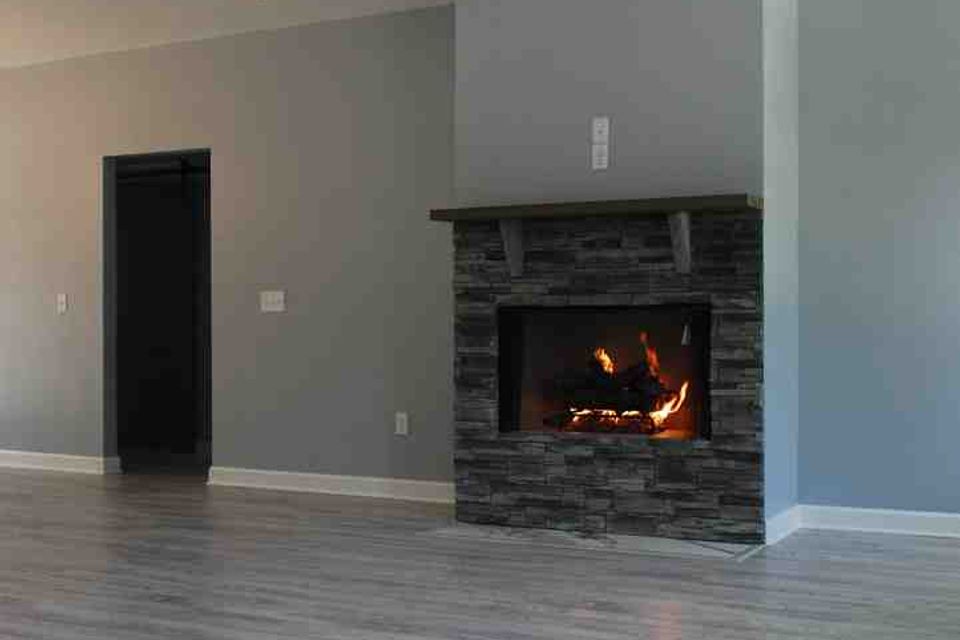
We don't use our fireplaces often in Florida, but when we don't, that open chimney is like a giant straw sucking your cold air out. Keep the damper closed when you aren't burning wood.
Everyday Efficiency: Smart Use of Appliances, Lighting & Electronics (Tips 24-40)
Lighting and appliances (not counting the fridge) make up about 33 percent of a typical utility bill. Making small changes in your daily habits can lead to big savings.
24. Switch to LED Lighting
This is one of the easiest 50 ways to make your home more energy efficient. ENERGY STAR–certified LEDs use up to 90 per cent less energy than incandescent bulbs and last at least 15 times longer. It’s a literal "lightbulb moment" for your wallet.
25. Use Smart Power Strips
Many electronics have "phantom power" or "vampire loads"—they suck energy even when they're off. It’s estimated that approximately 40% of a device’s annual energy use is wasted on standby power. Smart power strips cut the power completely when the device isn't in use.
26. Unplug Electronics and Chargers
If you aren't using that phone charger, unplug it. Even without a phone attached, it's drawing a tiny bit of power. Across a whole house, those tiny bits add up.
27. Choose ENERGY STAR Appliances
When it’s time for a new fridge or dishwasher, look for the blue star. These products meet strict efficiency guidelines. For example, an ENERGY STAR clothes washer can save 25 per cent energy and use 33 per cent less water than a standard model.
28. Wash Laundry in Cold Water
Washing with cold water is 90% more efficient than washing with hot water because most of the energy is spent just heating the water. Modern detergents work just as well in cold water!
29. Wash Full Loads of Laundry and Dishes
Your dishwasher uses the same amount of energy whether it’s half-empty or stuffed. Wait until you have a full load to hit "start."
30. Air-Dry Your Clothes
In Florida, we have plenty of sunshine. A clothesline is a zero-energy way to dry your laundry. Plus, it makes your sheets smell amazing.
31. Clean Your Dryer's Lint Trap
A clogged lint trap can reduce your machine’s drying ability by as much as 75%. Clean it after every single load to keep the air flowing efficiently.
Heating up a giant oven to bake two potatoes is a waste. Use a microwave or toaster oven for small meals. The microwave uses significantly less energy than any part of your stove.
34. Cook with Lids on Pots
This seems simple, but it works. Lids trap heat, allowing you to use a lower setting and cook food faster.
35. Consider an Induction Cooktop
An induction stove transfers heat to your food with 85 per cent efficiency), compared to a measly 32 per cent for a gas stove. They are safer, faster, and much easier to clean.
36. Clean Refrigerator Coils
Your fridge is likely your biggest energy consumer. Dust on the coils makes the compressor work harder. Vacuum them twice a year to keep it running smoothly.
37. Use Task Lighting
Don't light up the whole room if you're just reading in a chair. Use a dedicated lamp to save energy.
38. Install Dimmers and Motion Sensors
Dimmers let you use only the light you need, and motion sensors ensure the lights aren't left on in the bathroom for three hours after the kids leave.
39. Run Large Appliances During Off-Peak Hours
Check with your utility provider in Gainesville or High Springs. Some offer lower rates at night. Running your dishwasher at 10 PM instead of 6 PM could save you a few bucks every month.
40. Choose an ENERGY STAR range hood
ENERGY STAR ceiling fans use 60% less energy, and an ENERGY STAR range hood uses 50% less energy than standard ones.
Beyond the Walls: Water, Landscaping, and the Path to 50 Ways to Make Your Home More Energy Efficient (Tips 41-50)
Water heating is the second largest energy expense in almost every household, accounting for 18% of all energy usage.
41. Lower Your Water Heater Temperature
Most water heaters are set to 140°F, which is hot enough to scald you. Turning your water heater down to 120°F can lead to energy savings between 4 and 22%.
42. Install a Heat Pump Water Heater
These units are incredibly efficient because they move heat rather than creating it. A heat pump water heater can save an average family of four $550 a year when replacing a standard electric unit.
43. Insulate Hot Water Pipes
Insulating the first few feet of pipes coming out of your water heater keeps the water hot as it travels to your faucet, meaning you waste less water waiting for it to get warm.
A pipe that leaks at a rate of one drip per second can waste more than 3,000 gallons a year. That’s a lot of money literally going down the drain.
46. Plant Shade Trees
Well-placed deciduous trees (the ones that drop leaves) on the south and west sides of your home can save as much as 25% of the energy used to heat and cool your house. They provide shade in the summer but let the sun warm your house in the winter.
47. Use Drought-Tolerant Landscaping (Xeriscaping)
In Florida, we often over-water our lawns. By using native plants that are used to our climate, you can eliminate the need for energy-hungry irrigation systems.
48. Use Solar-Powered Outdoor Lighting
Path lights and garden accents don't need to be on your electric bill. Use solar-powered versions that charge during the day and glow at night for free.
49. Install a Variable-Speed Pool Pump
If you have a pool in Alachua or Gainesville, your pump is a major energy user. A variable-speed pump uses significantly less electricity than older single-speed models.
50. Explore Residential Solar Panels
Solar panels let you generate clean electricity right from your roof. They can save households approximately $1,500 a year on electricity bills. Check out our Resources page for more information on how to integrate renewable energy into your custom home.
Frequently Asked Questions about the 50 Ways to Make Your Home More Energy Efficient
What is the most impactful energy efficiency upgrade for a homeowner?
Air sealing and adding attic insulation provide the biggest bang for your buck. They address the building envelope, which is where most energy loss occurs. By stopping the "exchange" of air between your home and the hot Florida outdoors, you reduce the load on your HVAC system significantly.
How can renters make their homes more energy efficient without major renovations?
Renters can make a big difference with low-cost changes. Switching to LED bulbs, using smart power strips, and hanging thermal curtains are all "portable" upgrades. You can also discuss the benefits of a smart thermostat with your landlord, as many local utilities offer rebates that make them free or very cheap.
What is the difference between energy efficiency and energy conservation?
Energy efficiency means using technology to perform the same task with less energy (like using an LED bulb). Energy conservation is a behavioral change (like turning the light off when you leave). Both are necessary to see the biggest drop in your monthly bills.
Conclusion: Your Dream Home is an Efficient Home
From simple behavioral changes like washing in cold water to significant home upgrades like a new heat pump, every step toward energy efficiency contributes to lower utility bills and a more comfortable living space.
Whether you're implementing a few quick tips or planning a major renovation, the long-term benefits for your wallet and our Florida environment are undeniable.
For homeowners in High Springs, Alachua, Gainesville, and the surrounding areas looking to build a new home or remodel an existing one with energy efficiency at its core, our team at Stanley Crawford Construction, Inc. is here to help.
As a custom home builder in High Springs, Alachua, and Gainesville with over 40 years of experience, we know how to build homes that stand up to the heat while keeping your costs down.