
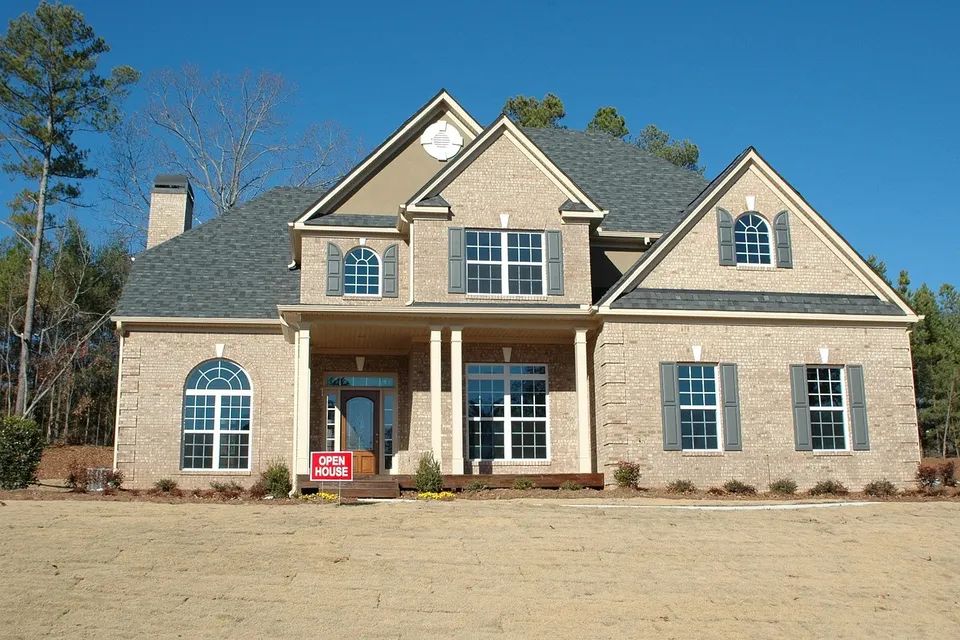
A Quick Start Guide to Home Renovation Costs & Process
Is a Home Renovation Worth It? Here's What You Need to Know First
Home renovation is one of the most impactful investments a homeowner can make — and in North Central Florida, it's more popular than ever.
Before diving in, here's a quick snapshot of what you need to know:
QuestionQuick AnswerWhat does it cost?$15–$60 per sq ft on average; most projects run $19,000–$88,000
How long does it take?A few weeks (cosmetic) to 6+ months (full gut renovation)
Do I need permits?Yes, for structural, electrical, plumbing, or HVAC work
DIY or hire a pro?Hire a pro for anything structural or mechanical
Best ROI projects?Kitchen updates, bathroom upgrades, curb appeal improvements
How much contingency?Add 10–30% buffer to your total budget
In 2024, more than half of all U.S. homeowners tackled a renovation project — with a median spend of $20,000. Some did it to modernize an outdated kitchen. Others found themselves, as one industry guide puts it, "waiting in line to use their own bathroom" and decided enough was enough.
Whether you're updating a single room or rethinking your entire floor plan, the process can feel overwhelming. There are budgets to set, contractors to vet, permits to pull, and decisions to make in the right order — or risk expensive mistakes.
This guide breaks it all down in plain language, with a focus on what homeowners in High Springs, Alachua, Gainesville, Newberry, and the Town of Tioga need to know before starting their project.
Renovation vs. Remodel: Understanding the Key Differences
People often use the terms "renovation" and "remodel" interchangeably, but in the construction world, they mean entirely different things. Confusing the two can lead to major misunderstandings when you begin discussing your ideas with a custom home builder.If you want to dive deeper into how to plan a comprehensive overhaul, check out A Quick Start Guide to Whole House Remodel for a thorough introduction.
To keep it simple, think of a home renovation as a cosmetic and functional refresh, while a home remodel is a structural transformation.
FeatureHome RenovationHome RemodelPrimary GoalRestore, refresh, or update the existing lookAlter the structure, layout, or purpose of a space
Typical CostLower ($15–$60 per square foot on average)Higher ($100–$300+ per square foot)
Permits Required?Rarely for basic cosmetic workAlmost always
DIY Friendly?Yes, for basic paint, trim, and hardwareNo, requires licensed professionals
Example ProjectsPainting, new flooring, replacing cabinet doorsDemolishing load-bearing walls, moving plumbing lines
What is a Home Renovation?
A cosmetic refresh is the heart of a renovation. When you renovate, you are bringing a space back to life or updating its appearance without changing its structural footprint. Examples of renovations include:- Applying a fresh coat of paint to walls and trim.
- Installing modern hardwood, tile, or luxury vinyl plank (LVP) flooring.
- Swapping out outdated cabinet hardware and lighting fixtures.
- Replacing old appliances with energy-efficient models.
Renovations are generally faster, less expensive, and highly effective if you want to breathe new life into a room without tearing down walls.
What is a Home Remodel?
A remodel involves structural alterations and changing the physical layout or fundamental purpose of a space. If you are changing the "bones" of your house, you are remodeling. Examples of remodeling include:- Tearing down a wall to create an open-concept kitchen and living area.
- Relocating plumbing lines to move a sink or toilet to the other side of a bathroom.
- Converting a spare bedroom into a dedicated home office or a master suite walk-in closet.
- Building a structural home addition to increase your total square footage.
Because remodels alter the structure of your home, they require detailed architectural planning, structural engineering, and strict municipal building permits.
Planning and Budgeting for Your Florida Home Renovation
Planning a home renovation in North Central Florida is an exciting journey, but it requires careful financial prep. Without a solid budget, even minor projects can spiral out of control.To understand the broader landscape of local construction trends, take a look at Transforming Homes: A Comprehensive Look at Florida Remodeling.
Setting a Realistic Budget and Cost Per Square Foot
While the average cost of a basic renovation ranges from $15 to $60 per square foot, a full-scale structural remodel of a 2,000-square-foot home can easily range from $200,000 to $600,000 or more (averaging $100 to $300+ per square foot).To keep your project on track, keep these budgeting rules of thumb in mind:
- The Labor-to-Material Ratio: On average, labor accounts for roughly two-thirds (65%) of your total renovation cost, while materials make up the remaining 35%.
- The 30 Percent Rule: To protect your property’s resale value, try to keep your total renovation spending under 30% of your home's current market value.
- The Contingency Reserve: Always set aside a 10% to 30% financial buffer. If you own an older home in Gainesville or Alachua built before 1978, there is a 75% chance you will encounter lead-based paint, which requires professional mitigation. A contingency reserve ensures that unexpected structural, plumbing, or environmental issues do not halt your project.
Financing Options for Your Project
Very few homeowners pay for a major renovation entirely in cash. Fortunately, there are several flexible ways to fund your dream project:- Home Equity Line of Credit (HELOC): This works like a credit card secured by your home’s equity. It is ideal for multi-phase renovations because you can draw funds as needed over a long period (typically 10 years).
- Home Equity Loans: A secured, lump-sum loan with a fixed interest rate, perfect for projects with a defined, upfront cost.
- Personal Loans: Unsecured home improvement loans that do not require using your home as collateral. These usually offer faster approval times but carry higher interest rates.
- Cash Reserves: Best for smaller, phase-by-phase cosmetic renovations to avoid paying interest entirely.
For a deeper dive into funding your specific interior upgrades, read through The Ultimate Guide to Bathroom Remodeling Financing Options.
The Step-by-Step Home Renovation Process
Every successful home renovation follows a strict, logical sequence. Doing tasks out of order is the single most expensive mistake a homeowner can make. For example, installing beautiful new porcelain tile before roughing in your electrical and plumbing lines is a recipe for expensive rework.Whether you live in Newberry, Gainesville, or the Town of Tioga, a professional build must follow a structured timeline.
Phase-by-Phase Timeline and Order of Operations for a Home Renovation
To keep your project moving smoothly, follow this phase-by-phase guide, which aligns closely with the industry-standard How to Plan a Home Remodel: Phase-by-Phase Guide:Design and Scope (Freeze the Plan): Finalize every layout, fixture, and material choice before any tools touch your home. Making changes mid-construction is incredibly costly.
Permitting and Sourcing: Submit plans to local building departments and order long-lead materials (like custom cabinets, which can take 6 to 12 weeks to arrive).
Demolition: Safely tear down walls, pull up old flooring, and clear out the workspace.
Structural and Framing: Build out new walls, reinforce foundations, and complete any structural additions.
Rough-In Trades: Install mechanical systems inside the open walls. The golden rule of sequencing is: HVAC first (bulky ducts), plumbing second, and electrical third (wires can easily route around pipes).
Inspections, Insulation, and Drywall: Pass municipal rough-in inspections, install insulation, and hang drywall to close up the walls.
Finishes and Trim: Install flooring, paint the walls, hang interior doors, and install custom trim work.
Fixtures and Appliances: Install cabinets, countertops, sinks, lighting, and appliances.
Punch List and Closeout: Walk through the home with your builder to document and fix any minor paint touch-ups or adjustments before releasing the final payment.
Navigating Florida Building Codes and Permits
In Florida, skipping building permits is a massive risk. Unpermitted work can lead to heavy municipal fines, force you to tear out completed work, make your home uninsurable, and ruin your chances of selling the property in the future.The International Residential Code (IRC) and local Florida Building Codes enforce strict safety standards, such as:
- IRC R305: Requiring a minimum ceiling height of 7 feet for any habitable space.
- IRC R310: Demanding emergency egress windows in bedrooms with a minimum clear opening of 5.7 square feet.
- IRC R314 & R315: Requiring interconnected smoke and carbon monoxide alarms throughout the home during any major remodel.
When planning new construction or structural changes in master-planned communities like the Town of Tioga- New Construction, you must also ensure your designs comply with local Homeowners Association (HOA) architectural guidelines.
Hiring a Professional vs. DIY: Making the Right Choice
With thousands of DIY video tutorials online, it is tempting to think you can tackle a major home renovation on your own over a few weekends. While painting a bedroom or replacing a cabinet handle is highly DIY-friendly, major structural or mechanical work is a completely different story.The Risks of Failed DIY Projects
The reality of DIY home improvement can be harsh. Industry statistics show that more than 30% of all jobs professional home builders and remodelers perform come from fixing failed DIY projects.What starts as an attempt to save money often ends up costing double when a professional has to be brought in to tear out incorrect work, fix structural mistakes, or correct code violations.
Furthermore, state and local building codes in Florida legally require licensed professionals to handle major electrical, plumbing, and HVAC systems. Attempting these yourself can compromise your family's safety and void your home insurance policy.
How to Choose and Vet a Local General Contractor
If your project involves structural changes, moving utilities, or a whole-house transformation, hiring a licensed and insured professional is the safest and most cost-effective path.To find the right team, follow these vetting steps:
- Verify Licensing and Insurance: Ensure they hold an active Florida General Contractor or Residential Contractor license and carry robust general liability and workers' compensation insurance.
- Ask the Same Questions: Interview at least three builders and ask them identical questions about their process, timelines, and payment structures so you can compare them fairly.
- Check Local References: Look for builders with deep roots in North Central Florida who understand the local soil conditions, permitting offices, and humidity challenges.
- Get Everything in Writing: Never rely on handshakes. A professional contract must outline the exact scope of work, materials, payment schedule tied to passed inspections, and a realistic timeline.
For a comprehensive guide on choosing the right builder in your area, refer to Gainesville's Best Remodeling Pros and How to Choose Them.
Maximizing ROI and Avoiding Costly Mistakes
A home renovation is not just about making your space look beautiful; it is also about protecting and growing your home's financial value.High-Value Upgrades for North Central Florida Homes
Some upgrades offer an incredible return on investment (ROI), while others are highly customized and rarely recoup their costs.- Kitchen and Bathroom Upgrades: These consistently yield the highest returns. In 2025, minor kitchen renovations yielded an average ROI of 113%.
- Climate Resilience and Storm Protection: In North Central Florida, upgrading to impact-rated windows and doors, reinforcing roof tie-downs, and installing energy-efficient HVAC systems can significantly lower your monthly utility bills and reduce your home insurance premiums.
- Flooring Choices for Humidity: Solid hardwood is highly susceptible to moisture damage in Florida's humid climate. Opting for engineered hardwood, porcelain tile, or high-quality luxury vinyl plank (LVP) provides the look of wood with superior moisture resistance.
If you are looking for design inspiration to boost your property's appeal, explore these 10 Home Remodeling Ideas to Transform Your Living Space.
Common Renovation Pitfalls to Avoid
To keep your sanity and your savings intact, steer clear of these common mistakes:- Changing Designs Mid-Project: Once demolition begins, your design should be completely locked in. Late changes cause massive delays and expensive change orders.
- Skipping Permits: Skipping the permitting process to save a few hundred dollars can stall your project, result in heavy fines, and make your home unsellable.
- Underestimating Lead Times: Do not schedule demolition until your long-lead materials, such as custom cabinets or special-order windows, have arrived or are guaranteed to arrive on time.
- Ignoring Structural Issues: Never cover up water damage, termite damage, mold, or foundation issues with cosmetic finishes. Always fix the structural root cause first.
Frequently Asked Questions about Home Renovations
How long does a whole-house renovation typically take?
The timeline depends heavily on the project's scope. A minor, cosmetic renovation (paint, flooring, and minor fixtures) can take 2 to 4 weeks. A standard kitchen and two-bathroom remodel typically takes 6 to 10 weeks.For a complete, whole-house gut renovation or a project involving structural additions, expect a timeline of 3 to 6 months or longer, depending on permit approvals and weather.